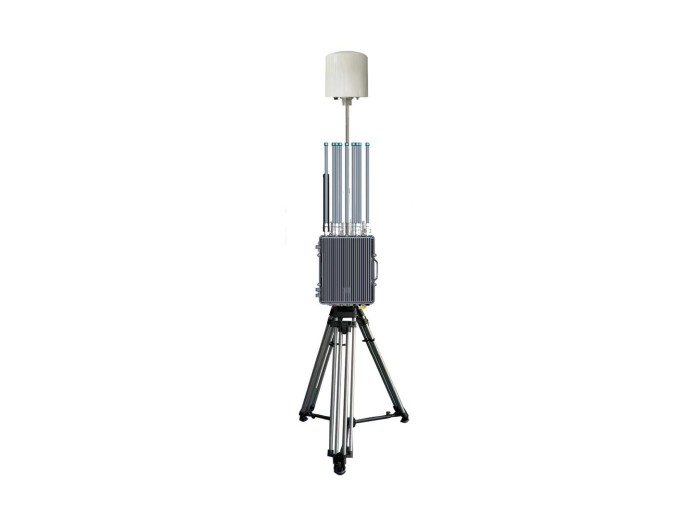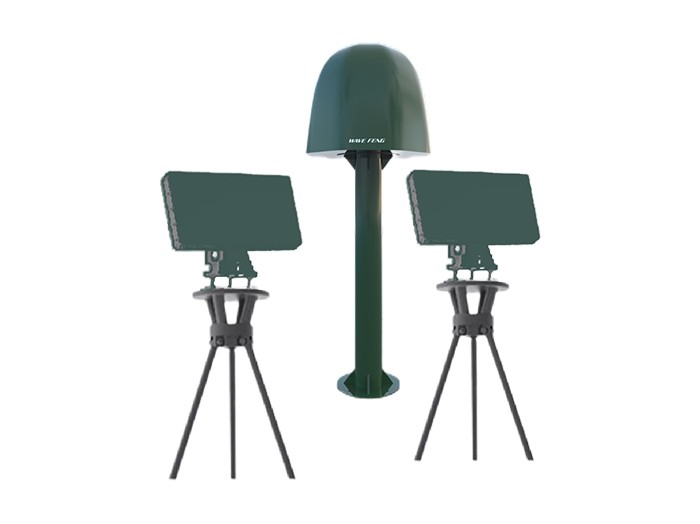
DIY Net Jammers for Drones: A Comprehensive Guide
As the proliferation of drones continues to rise, so do concerns regarding their unauthorized use. Individuals and organizations face challenges such as drone intrusion, potential spying, and delivery of contraband. Many users are searching for effective solutions to counteract these issues. Net jammers for drones present an exciting opportunity for enthusiasts to explore DIY solutions that can neutralize unwanted drone activity. This article delves into the latest trends in DIY drone jammers, their benefits, applications, and practical steps to create your own.
Understanding Drone Jammers
Drone jammers operate by disrupting the control signals between a drone and its operator, rendering the drone immobile. This technology has gained traction, especially in sensitive areas like military installations, airports, and private properties. The most common types of jamming used include GPS jamming and RF jamming, targeting the signals that facilitate drone operation. Data from the Statista Drone Market suggests that the global drone market is expected to exceed $40 billion by 2024, hence the increasing demand for protective measures like net jammers.
Building a DIY net jammer can be a viable solution for individuals who prefer a hands-on approach. In recent years, there's a growing trend among drone enthusiasts to explore DIY electronics, allowing proactive individuals to create personalized equipment tailored to their specific needs.
The Benefits of DIY Drone Jammers
Creating your own net jammer offers several benefits. First, it allows complete customization based on personal requirements, such as range and frequency. Second, DIY kits are typically more economical than commercial counterparts. According to data from MarketWatch, consumers are becoming increasingly inclined to trust DIY products due to their cost-effectiveness and transparency.
Additionally, a DIY approach fosters learning and creativity, enabling hobbyists to gain insights into wireless technology and signal disruption. It also nurtures a sense of achievement once the device is successfully operational. Moreover, creating a jammer can improve security measures at events or locations where drone intrusion is a significant concern.
Applications of Net Jammers for Drones
DIY net jammers can have varied applications across several industries. Here are a few notable examples:
- Security Services: Working in tandem with security protocols, jammers can effectively mitigate risks posed by unauthorized drones in sensitive environments.
- Event Management: In areas where crowd control is vital, jammers can prevent drones from capturing sensitive moments or transporting illegal items.
- Agriculture: Farmers may deploy jammers to keep undesirable drones away from their crops or livestock, safeguarding their assets.
- Wildlife Conservation: Jammers assist in protecting endangered species from drone surveillance and disruptions during breeding periods.
As technology advances, the potential applications for these DIY devices will continue to expand, offering more opportunities for hobbyists and professionals alike.
Steps to Build Your DIY Net Jammer
Building a DIY net jammer requires careful planning and execution. Here’s a simplified process to get you started:
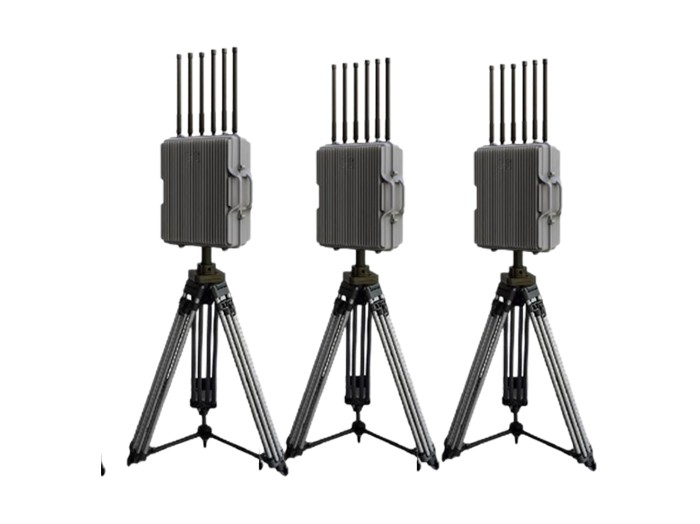
- Gather Components: You will need basic electronic components, including RF modules, an Arduino board, battery pack, and wires. Consider researching specific materials that meet the frequency requirements.
- Understand Circuit Design: Familiarize yourself with circuit diagrams related to jammers. Websites like Instructables often provide detailed guides and user-generated content for your benefit.
- Assemble the Components: Following your circuit design, carefully solder and connect each component. Ensure your connections are solid and insulated.
- Testing and Calibration: Test the device in a controlled environment to measure its effectiveness. Adjust settings to optimize performance.
- Ensure Compliance: Before deploying your net jammer, be aware of local laws regarding drone jamming, as improper use can lead to legal repercussions.
Key Takeaways for DIY Drone Jammers
- Understand the legal implications of using jamming devices in your area before proceeding with a DIY project.
- Carefully select your components and ensure they meet your specific jamming needs while being safe to use.
- For optimal results, invest time in learning about electronics, circuits, and signal properties related to drone operations.
- Check out resources like Adafruit for additional project ideas and guidance.
- Engage with online communities focused on drone technology which can provide insights and resources to enhance your DIY project.
Conclusion
In an era where drone technology is advancing rapidly, empowering yourself with a DIY net jammer can offer peace of mind from unwanted aerial surveillance. Trusting in your own skills to create a solution not only provides immediate security benefits but also enhances your understanding of technology. With countless applications across various industries, the importance of DIY drone jammers will only grow. Ready to take action? Visit our website now or Contact us for a free consultation to explore more about utilizing or creating net jammers for drones!