Understanding the UAV Interceptor: 40mm Technology Trends and Its Applications
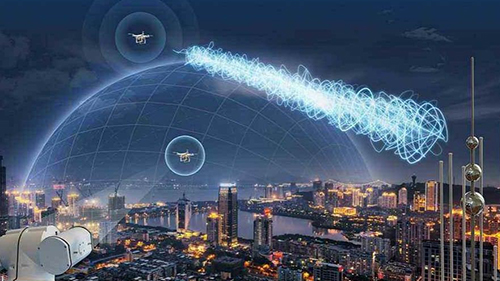
As drone usage continues to rise across various sectors, the pressing need for effective UAV interceptors has also grown. Organizations are increasingly facing challenges with unauthorized drone activity, posing significant threats to security and operations. This surge in drone incidents has catalyzed the development of advanced technologies, notably in UAV interception systems utilizing 40mm solutions. This article delves into recent trends in the UAV interceptor market, focusing on the role of 40mm technologies, their benefits, applications, and future directions. By understanding these emerging trends, businesses can better prepare for a drone-dominated landscape.
The Rise of UAVs and the Need for Interceptors
The proliferation of unmanned aerial vehicles (UAVs), or drones, has been transformative across various domains, from commercial delivery services to surveillance. According to a report by the Federal Aviation Administration (FAA), the number of registered drones in the U.S. is projected to reach over 8 million by 2025. This rapid expansion has profound implications for security, with an increase in incidents like unauthorized surveillance, smuggling, and even potential terrorist activities.
Consequently, there’s a growing demand for effective UAV interceptors. The 40mm UAV interceptor is an innovative solution designed to neutralize rogue drones with precision and efficiency. Unlike traditional interceptors, which may rely on larger munitions, the 40mm system provides a balance between lethality and safety, as it minimizes collateral damage.
Benefits of 40mm UAV Interceptors
40mm UAV interceptors come with a range of advantages that make them an appealing choice for modern aerial defense systems. First, the 40mm caliber allows for greater flexibility in various operational environments. These interceptors can be deployed from ground installations or vehicle-mounted systems, granting accessibility across different tactical scenarios.
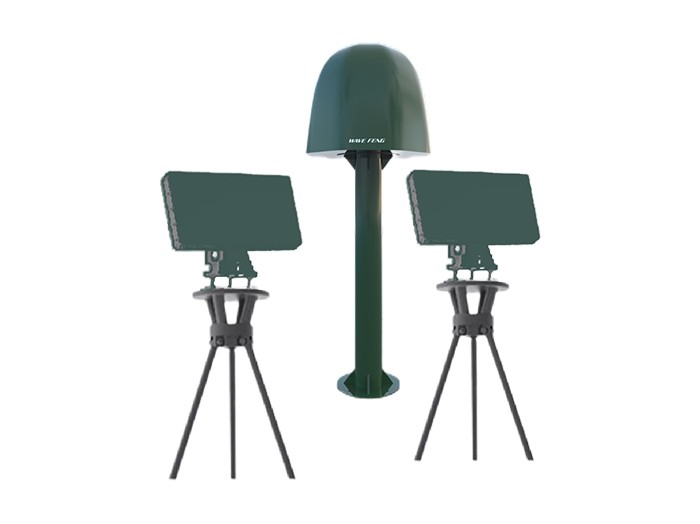
Furthermore, they represent a balanced approach in terms of firepower. This capability offers adequate stopping power against small UAVs without the risk of larger ordnance that could endanger nearby personnel or property. Additionally, the 40mm systems can be integrated with advanced target acquisition technologies—such as radar and electro-optical systems—enhancing their effectiveness in identifying and tracking threats in real time.
A study conducted by the Institute for Defense Analyses found that using 40mm systems can reduce interception response time by up to 30%, allowing operators to neutralize threats swiftly and mitigate potential damage.
Applications of 40mm UAV Interceptors
The applications for UAV interceptors, particularly those in the 40mm range, are diverse and extend across multiple sectors, including military, commercial, and public safety. Within the military context, these interceptors are pivotal for protecting military installations from surveillance drones or drones carrying explosives.
In the commercial sector, organizations like airports and large event venues utilize 40mm systems to secure airspace against unauthorized drone incursions that could disrupt operations or compromise safety. For example, the recent deployment of 40mm interceptors at international airports has led to reduced instances of operational downtimes linked to unauthorized drone flights.
Moreover, law enforcement agencies are integrating 40mm UAV interceptors into their operations, enabling them to address the increasing number of drone-related incidents with efficacy. Using these interceptors, officers can safely neutralize drones that may pose threats during public events or sensitive operations without excessive collateral damage.
Future Trends in UAV Interceptors
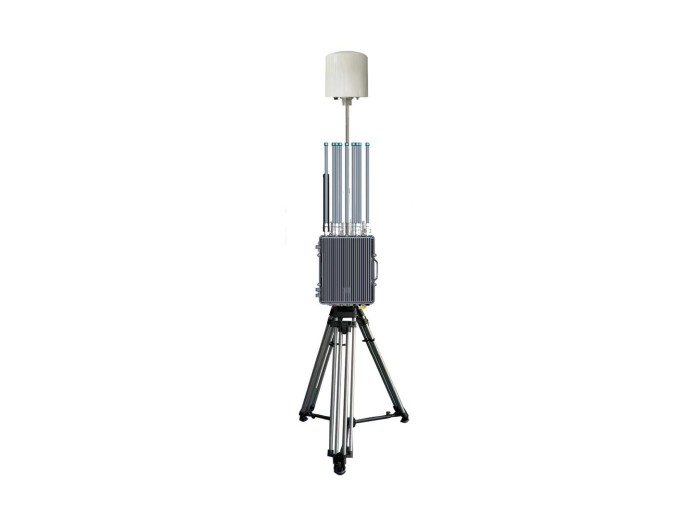
As drone technology evolves, the future of UAV interceptors will likely see advancements fueled by artificial intelligence (AI) and machine learning. These technologies promise to enhance the tracking and targeting capabilities of 40mm interceptors by automating the identification processes and improving shot accuracy.
An anticipated trend is the integration of multi-sensor systems that combine AI algorithms with traditional radar and camera systems, creating a comprehensive defense mechanism against various UAVs. Moreover, with increasing regulatory frameworks expected to govern drone usage, the demand for responsive and effective UAV interceptors will further escalate.
According to a report from the Global UAV Defense Market Analysis, investments in UAV interception technologies, including 40mm systems, are projected to grow by a CAGR of 8.3% from 2023 to 2030. As such, businesses across various sectors must adopt these technologies to ensure security, mitigate risks, and maintain operational integrity.
Key Recommendations
- Evaluate your organization's drone threat level and consider implementing 40mm UAV interceptors as part of your aerial defense strategy.
- Stay informed about emerging technologies in drone interception, particularly those utilizing artificial intelligence and machine learning for optimal targeting.
- Collaborate with security experts to tailor a drone defense system that aligns with your organization’s specific needs.
- Engage with technology providers to explore integration options that enhance the effectiveness of your current security infrastructure.
- Keep current with regulatory changes regarding UAV operations and ensure compliance to minimize legal risks.
Conclusion
Utilizing 40mm UAV interceptors presents a sophisticated solution to increasingly complex drone threats across multiple sectors. As the industry continues to evolve, embracing advanced interception technologies positions organizations to effectively mitigate risks associated with unauthorized drone activity. Our expertise in aerial defense solutions guarantees that you will be equipped with the tools necessary for securing your airspace. Visit our website now to explore our UAV interceptor offerings!