Military Anti-Drone Technology: How to Protect Against Unmanned Aerial Threats
With the rapid advancement and widespread availability of drones, military installations and operations now face an increasing threat from unauthorized or hostile unmanned aerial vehicles (UAVs). These drones can be used for reconnaissance, surveillance, smuggling, or even delivering explosives, posing serious risks to national security. As a result, military anti-drone technology has become critical to detect, track, and neutralize these airborne threats effectively. If you are tasked with securing a military base or sensitive area, understanding the latest anti-drone solutions and how to implement them can help prevent potential breaches. In this guide, we'll explore key concepts such as detection methods, interception techniques, and the latest trends in military drone defense systems to help you build a robust anti-drone strategy.
Understanding Military Anti-Drone Technology: Definition and Core Components
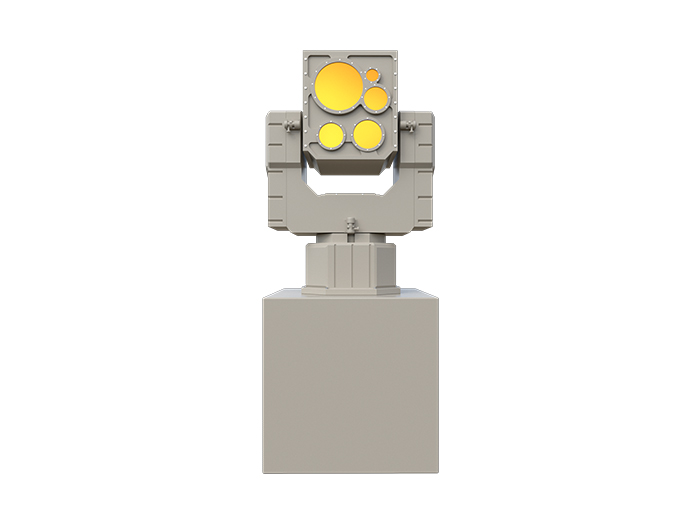
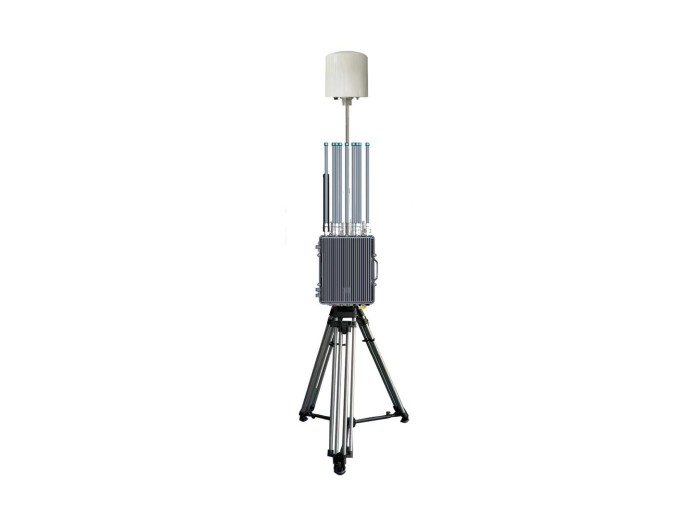
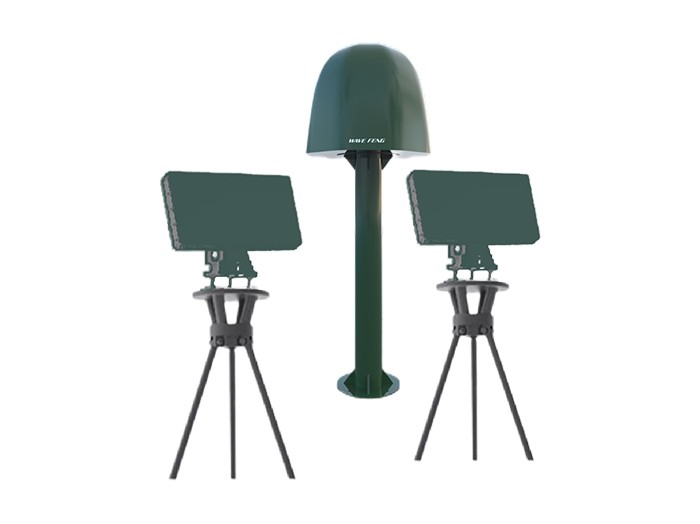
Military anti-drone technology encompasses an array of tools and systems designed to detect, identify, track, and disable unauthorized drones that threaten military safety. The core components typically include radar systems, radio frequency (RF) detectors, electro-optical/infrared (EO/IR) sensors, and jamming or interception devices. For example, many modern military anti-drone solutions combine radar detection with RF signal analysis to pinpoint drone locations and intentions quickly.
According to a 2023 Department of Defense report, the global market for counter-UAV systems is projected to grow at a compound annual growth rate (CAGR) of 12.5% between 2022 and 2027, highlighting the increasing focus on advanced drone defense.
One common approach involves integrating multi-sensor arrays that analyze drone behavior patterns to reduce false alarms. For instance, EO/IR cameras provide visual confirmation which is crucial in military scenarios where distinguishing between friendly and hostile UAVs is essential. Additionally, military-grade anti-drone systems often need to operate in electronic warfare (EW) environments, requiring high resilience against spoofing or hacking attempts.
In summary, military anti-drone technology is not a single solution but an integrated arsenal designed to protect operational domains from increasingly sophisticated drone threats.
Key Benefits of Military Anti-Drone Systems
Implementing military anti-drone technology delivers several critical benefits that enhance overall defense capabilities and operational security.
- Proactive Threat Detection: Advanced radar and RF technologies allow military personnel to detect drone incursions long before they reach sensitive areas, providing valuable time to respond and neutralize the threat.
- Real-Time Situational Awareness: Multi-sensor sensor fusion supplies commanders with a comprehensive view of the airspace, improving decision-making during both peacetime surveillance and combat operations.
- Non-Kinetic Neutralization: Many systems utilize jamming or cyber techniques to disable drones without physical destruction, minimizing collateral damage or escalation.
- Force Protection: Anti-drone defenses safeguard critical infrastructure, vehicles, and personnel from espionage, sabotage, or direct attacks delivered by hostile UAVs.
- Operational Flexibility: Modular anti-drone components allow tailored deployment based on mission needs — whether stationary base protection or mobile convoy defense, these systems adapt effectively.
Military reports confirm that early adoption of anti-drone technologies has led to a 40% reduction in UAV-related security incidents on forward operating bases over the last two years, emphasizing their tactical value.
How to Implement an Effective Military Anti-Drone Strategy
Deploying a successful military anti-drone system requires comprehensive planning and integration of several layers of defense to cover detection, identification, and interdiction.
Step 1: Conduct a Threat Assessment
Analyze the operational environment to understand possible UAV threats, including drone types, payloads, and flying patterns. This evaluation ensures the selection of appropriate countermeasures tailored to specific risks.
Step 2: Integrate Multi-Sensor Detection Systems
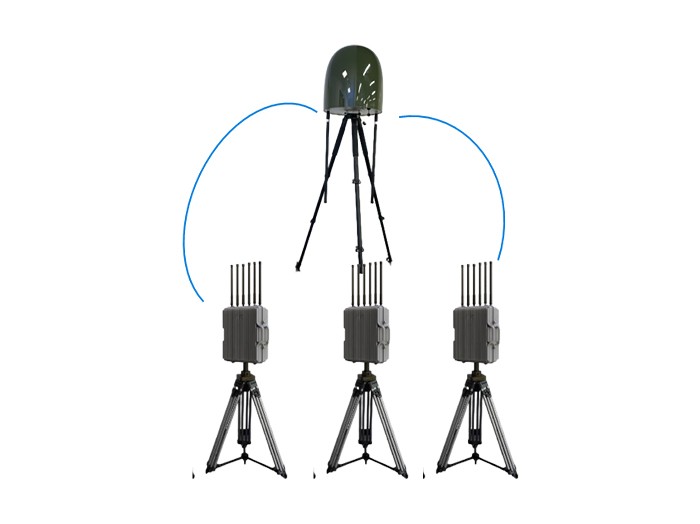
Combine radar, radio frequency, and electro-optical sensors to maximize detection accuracy. Redundancy in sensor types helps identify drones under various conditions such as low altitude or urban clutter.
Step 3: Deploy Neutralization Technologies
Choose suitable interdiction tools like RF jammers, directed-energy systems, or even kinetic interceptors depending on mission constraints and rules of engagement. Non-destructive methods are preferred where possible to avoid unintended consequences.
Step 4: Train Personnel and Conduct Drills
Proper training ensures operators can rapidly interpret sensor data and execute counter-UAV protocols efficiently. Regular drills simulate real-world scenarios to validate system performance and readiness.
Step 5: Maintain Continuous Updates and Upgrades
As drone technology evolves, anti-drone systems require periodic software and hardware upgrades to keep pace with new threats. Partnering with technology providers ensures access to cutting-edge innovations.
Following these steps creates a layered security framework that thwarts hostile drone attempts and enhances overall mission protection.
The Future Trends in Military Anti-Drone Technology
The landscape of military anti-drone technology is rapidly evolving, driven by emerging threats and technological advances. Some key future trends include:
- Artificial Intelligence and Machine Learning Integration: AI enhances threat detection and classification accuracy while automating response protocols, reducing operator workload and human error.
- Directed-Energy Weapons: Laser-based systems offer precise, instant neutralization of drones at extended ranges without physical munitions, promising cost-efficient and scalable solutions.
- Swarm Defense Capability: With increasing use of drone swarms for coordinated attacks, anti-drone systems are being developed to simultaneously detect and neutralize multiple UAVs effectively.
- Cybersecurity Measures: Hardening anti-drone networks against hacking and electronic warfare attempts protects their reliability in contested environments.
Military defense analysts predict that AI-driven counter-UAV systems will reduce detection response time by up to 50% within the next five years, delivering faster and smarter battlefield protection.
Recommendations: Strengthen Your Military Anti-Drone Defenses Today
- Perform a detailed drone threat analysis specific to your military environment to choose the most effective anti-drone technology.
- Deploy multi-layer sensor arrays combining radar, RF detection, and EO/IR cameras for comprehensive drone detection.
- Integrate non-kinetic neutralization tools like jamming and directed-energy weapons for flexible and minimal collateral damage responses.
- Invest in regular operator training and simulation drills to maintain high readiness and rapid response capability.
- Stay updated on emerging anti-drone technologies and partner with trusted providers to keep defenses ahead of evolving drone threats.
Want to learn more about advanced military anti-drone systems? Visit our website or contact us for professional consultation!
Conclusion: Bolster Your Military Security with Expert Anti-Drone Technology
As unmanned aerial threats continue to grow in complexity and prevalence, deploying robust military anti-drone technology is no longer optional but essential for defense operations. This guide has outlined how integrated sensor systems, proactive detection, and advanced neutralization methods form the backbone of effective drone defense. Leveraging the latest trends like AI-assisted detection and directed-energy weapons ensures your forces maintain an operational advantage against hostile UAVs.
Our company specializes in providing cutting-edge military anti-drone solutions customized to your specific mission challenges. Visit our website now or contact us for a free consultation to explore how we can help safeguard your operations with proven drone defense technology.