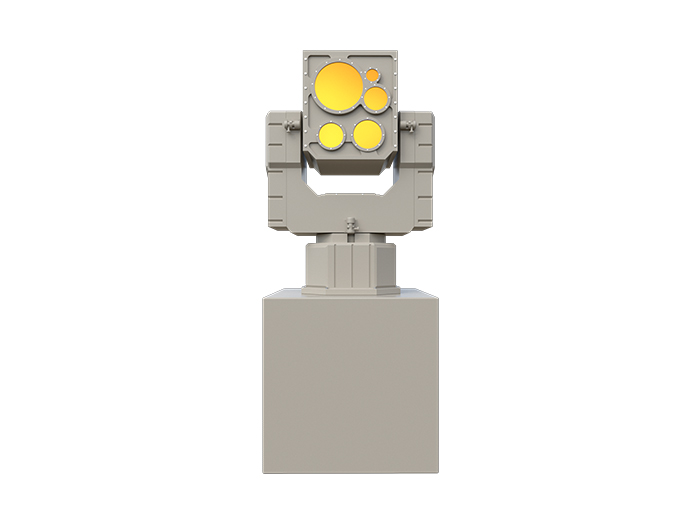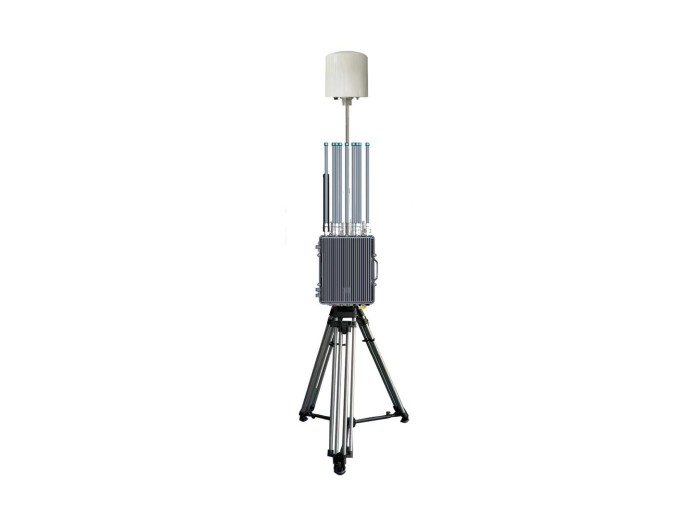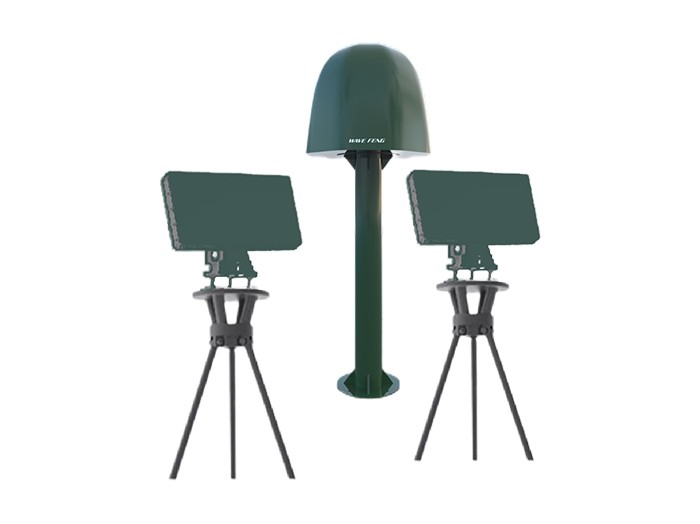
UAV Frequency Detector 4G: Trends Driving Enhanced Drone Communication and Security
With the rapid expansion of drone applications across industries, ensuring effective and secure communication between UAVs (Unmanned Aerial Vehicles) and control stations has become critical. One key challenge facing drone operators is detecting and managing 4G frequency interference that can degrade connection quality or pose security vulnerabilities. As 4G cellular networks power more devices and urban environments become increasingly crowded with RF signals, UAV frequency detectors built specifically for 4G bands are gaining attention. These advanced tools help operators identify frequency overlaps and potential signal disruptions, enhancing UAV reliability and safety. This article explores how UAV frequency detector 4G technology is evolving alongside industry demands, highlighting top trends, applications, and practical insights for drone professionals eager to stay ahead in wireless frequency management.
Understanding UAV Frequency Detectors and Their Role in 4G Communication
UAV frequency detectors are specialized devices designed to scan, identify, and analyze radio frequencies used by drones during flight operations. When integrated with 4G frequency detection capabilities, these devices can monitor the specific frequency bands allocated for 4G LTE networks, which commonly range from 700 MHz to 2600 MHz depending on region and carrier. Because 4G frequencies are widely used for mobile broadband, UAVs operating nearby risk encountering interference that might degrade command signals or video transmission quality.
According to recent industry data, over 80% of commercial drones currently rely on wireless communication protocols that operate near or alongside 4G frequencies. This makes robust frequency detection and management indispensable for maintaining link integrity. By actively detecting 4G frequency signals during flight, UAV operators can:
- Identify potential sources of interference from urban cellular towers or other nearby wireless devices.
- Optimize drone communication channels to avoid congested frequencies.
- Enhance security by detecting unauthorized signals or jamming attempts targeting 4G communication links.
By incorporating 4G frequency detection, UAV frequency detectors provide a proactive approach to managing RF spectrum challenges, ensuring smoother and safer drone operations in complex electromagnetic environments.
Benefits of Integrating 4G Frequency Detection in UAV Operations
Integrating 4G frequency detection into UAV flight systems offers multiple operational benefits that improve both performance and security. Some of the notable advantages include:
- Improved Flight Stability: Detecting and mitigating 4G interference reduces signal loss or latency, which is crucial for maintaining stable drone control and accurate telemetry data.
- Enhanced Video Transmission Quality: Many drones rely on real-time video feeds for surveillance, inspection, or mapping. Avoiding interference in 4G bands helps sustain high-definition video streams without interruptions.
- Security Against Signal Jamming: Advanced UAV frequency detectors can identify suspicious signals mimicking or attempting to disrupt 4G communication channels, empowering operators to react swiftly to potential cyber threats or jamming.
- Regulatory Compliance and Spectrum Management: In many countries, governments regulate RF spectrum usage. UAV operators equipped with frequency detectors can ensure compliance by monitoring their operating frequencies and avoiding restricted bands.
For instance, one leading drone manufacturer reported a 25% reduction in communication failures after deploying UAV frequency detectors with integrated 4G detection in urban test flights. This showcases how crucial real-time frequency awareness is in improving drone reliability amid dense electromagnetic environments.
Applications and Industry Use Cases for UAV Frequency Detector 4G Technology
The adoption of UAV frequency detectors that monitor 4G bands is expanding across various industries leveraging drone technology:
1. Infrastructure Inspection and Maintenance
Drones inspecting power lines, pipelines, or telecommunications towers operate near areas with many 4G cellular installations. Frequency detectors help avoid interference with critical infrastructure monitoring signals, ensuring safe data transmission and flight control.
2. Public Safety and Emergency Response
During emergency situations, drones assist in search and rescue or disaster assessment. Reliable 4G communication is essential for transmitting live video and coordinating with ground teams. Frequency detection ensures uninterrupted communication, even in RF-congested environments.
3. Agriculture and Environmental Monitoring
Farmers and environmental scientists using drones for crop health monitoring or wildlife tracking benefit from frequency detectors by maintaining communication reliability over expansive areas where 4G coverage varies or overlaps with other signals.
4. Security and Anti-Drone Measures
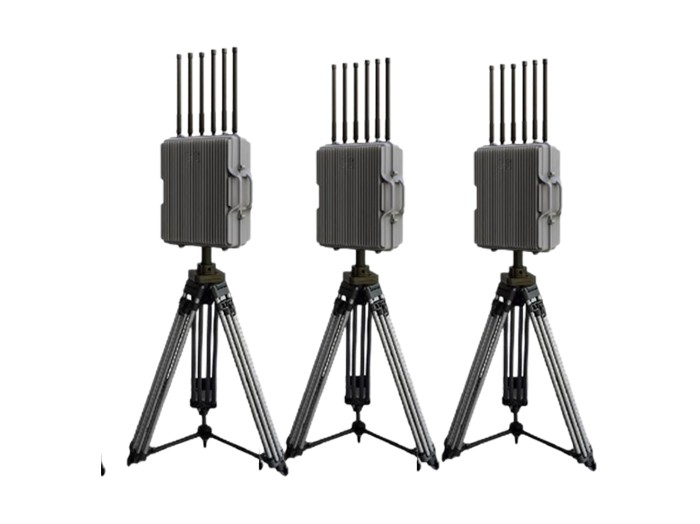
Law enforcement and security agencies deploy frequency detection tools to track unauthorized drones or signal intrusions within 4G bands, bolstering counter-drone defenses and maintaining airspace safety.
These use cases demonstrate how integrating UAV frequency detector 4G technology addresses real-world challenges, optimizing drone operations across multiple sectors.
Key Recommendations for Choosing and Using UAV Frequency Detector 4G Solutions
- Assess Your Operating Environment: Evaluate typical RF conditions and 4G network density where your UAVs will fly to determine the required frequency detection sensitivity and range.
- Prioritize Real-Time Monitoring: Choose frequency detectors capable of continuous, real-time scanning and alerting to promptly detect any frequency disturbances during flight.
- Integrate with Existing Flight Systems: Opt for devices that seamlessly integrate with your drone’s communication hardware and software for unified frequency management and control.
- Stay Updated on Regulatory Requirements: Ensure your frequency detector supports compliance with local RF spectrum regulations concerning 4G and other bands.
- Consult with Experts: Contact professional consultation services or visit our website for tailored advice on selecting and deploying UAV frequency detector 4G technology effectively.
Want to learn more about selecting the right UAV frequency detector for 4G networks? Visit our website or contact us for expert support and detailed product info!
Conclusion: Embrace UAV Frequency Detector 4G Technology for Safer, Smarter Drone Operations
The integration of 4G frequency detection within UAV frequency detectors marks a significant advancement in drone communication technology. As drone usage continues to increase in diverse commercial and public sectors, recognizing and managing 4G frequency interference is critical to enhancing drone reliability, video quality, and security. Our company specializes in cutting-edge frequency detection solutions designed to meet the evolving needs of UAV operators worldwide. By leveraging these technologies, you not only improve operational efficiency but also ensure compliance and mitigate risks associated with RF interference.
Don’t let 4G frequency challenges compromise your drone missions—contact us today for a free consultation or visit our website now to explore our full range of UAV frequency detector 4G products and services.