Anti-UAV Systems for Commercial Aircraft: Safeguarding Aviation
As the skies become increasingly populated with Unmanned Aerial Vehicles (UAVs), the aviation industry faces a growing concern regarding the safety and security of commercial aircraft. In recent years, incidents involving drones encroaching on air traffic routes have highlighted the urgent need for effective anti-UAV systems. According to the Federal Aviation Administration (FAA), the number of drone sightings near aircraft has skyrocketed, with over 5,000 reported incidents in 2023 alone. This surge presents a challenge for airlines and airport authorities to ensure the safety of both passengers and crew. Implementing robust anti-UAV measures in commercial aviation is not merely an option but a necessity. In this article, we will dive into the definition, benefits, applications, and trends of anti-UAV systems specifically tailored for commercial aircraft.
1. What are Anti-UAV Systems?
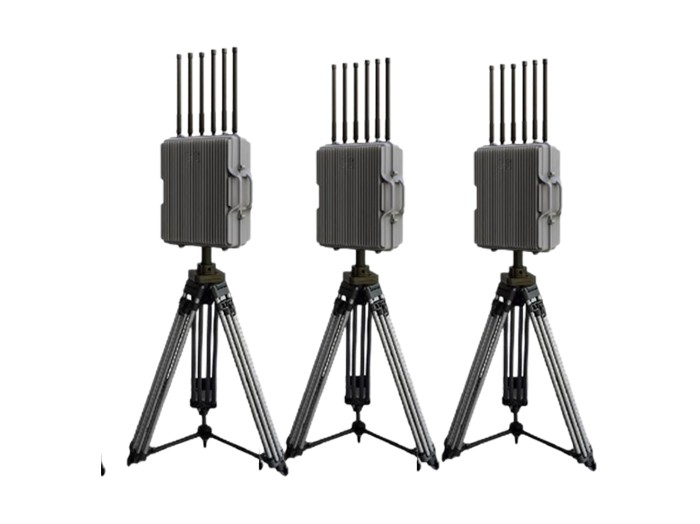
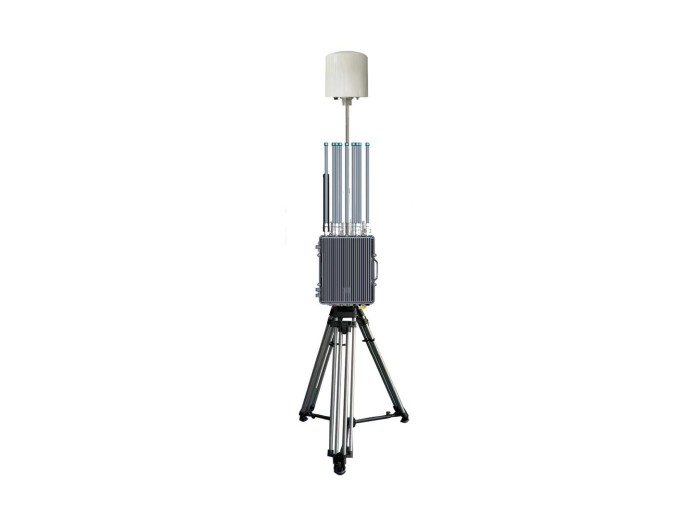
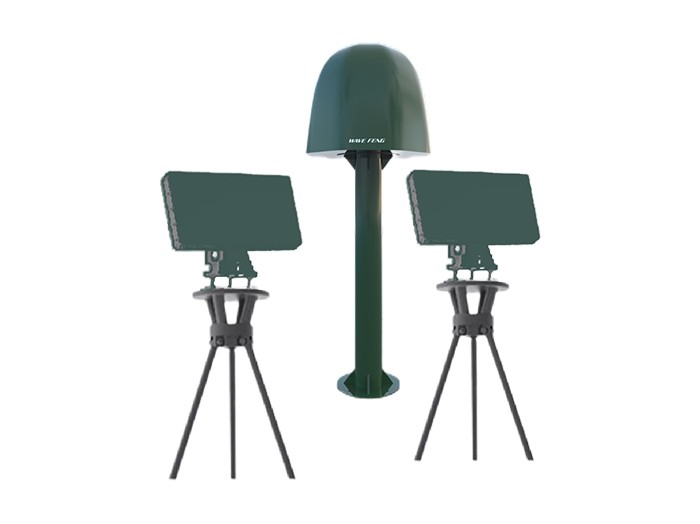
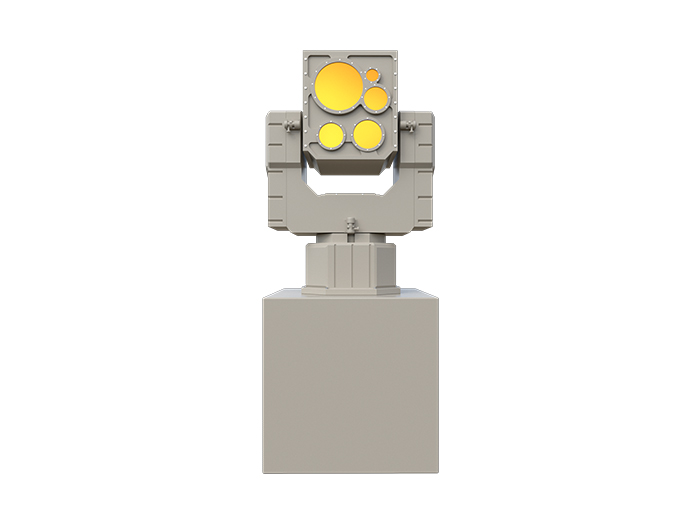
Anti-UAV systems, also known as anti-drone systems, are a comprehensive range of technologies developed to detect, track, and neutralize unauthorized drones in airspace. These systems employ various techniques to safeguard commercial aircraft against potential drone threats. The key components of anti-UAV systems can include radar technology, acoustic sensors, radio frequency detectors, and sophisticated software algorithms that analyze aerial activities. According to a report by Markets and Markets, the global anti-drone market is projected to reach $3.4 billion by 2026, illustrating the growing investment and innovation in this field.
A realistic use-case scenario arises during flight operations in a busy airport. Suppose a drone breaches the airspace of a landing commercial airplane. An anti-UAV system would quickly detect it using radar, enabling real-time data analysis to gauge the drone's trajectory. Once classified as a genuine threat, the system can initiate countermeasures ranging from jamming signals to physical interception, ensuring a safe flight environment for aircraft.
2. Benefits of Anti-UAV Systems in Commercial Aviation
Implementing anti-UAV systems offers several key benefits to commercial aviation, enhancing security, operational efficiency, and passenger safety. Here are some of the primary advantages:
- Enhanced Safety: By effectively managing drone-related threats, anti-UAV systems ensure the safety of passengers and crew onboard commercial flights. Reducing the risk of collision with drones leads to safer flying experiences.
- Operational Continuity: With efficient anti-drone measures in place, airlines can maintain a more fluid operation schedule without disruptions caused by drone incidents, ensuring timely arrivals and departures.
- Regulatory Compliance: Numerous aviation authorities mandate the regulation of drone operations in and around airports. By investing in anti-UAV technologies, airlines can comply with these regulations and avoid penalties.
- Crime Prevention: Drones are often exploited for nefarious activities, such as smuggling or reconnaissance. Anti-UAV systems help mitigate such risks by offering law enforcement tools to analyze and intercept suspicious drone activity.
Data from a recent industry survey indicates that 78% of aviation companies are considering investing in anti-UAV systems in response to increasing drone activity. Such proactive measures simplify risk management for commercial airlines and associated stakeholders.
3. Applications of Anti-UAV Solutions in Commercial Aviation
The applications of anti-UAV systems span several areas within the commercial aviation sector. Here are some critical applications:
- Airport Perimeter Security: Airports increasingly integrate anti-UAV solutions to monitor their perimeters, ensuring that unauthorized drones do not disturb flight operations. Integration with existing surveillance systems enhances overall security levels.
- Flight Path Protection: Anti-UAV systems are crucial in safeguarding predefined flight paths by identifying approaching drones and enabling timely responses to eliminate potential threats during takeoffs and landings.
- Event Security: Large public events at airports or near aviation facilities benefit from anti-drone systems, which monitor airspace while securing major events, ensuring a seamless experience for attendees without aviation interference.
A notable incidence showcasing the application of anti-UAV systems involved a large music festival nearby an airport, where drones were expected to disrupt services. The effective deployment of anti-drone technology resulted in zero interruptions, providing peace of mind for festival-goers and aviation authorities alike.
4. Future Trends in Anti-UAV Systems for Commercial Aircraft
The future of anti-UAV systems in commercial aviation is poised for transformation, driven by advancements in technology and increasing drone activity. Some of the trends to watch for include:
- Integration with AI: Artificial Intelligence (AI) and machine learning algorithms are becoming critical components of anti-UAV systems. By analyzing data patterns, these technologies will enhance threat recognition, enabling faster and more accurate responses to potential drone risks.
- Drone Identification Systems: The implementation of Remote ID regulations requires drones to transmit identification information. Integrating these data points into anti-UAV systems will facilitate easier recognition and management of drone activities, reducing confusion during air traffic operations.
- Collaboration with Law Enforcement: Future anti-UAV designs will increasingly collaborate with local law enforcement agencies, ensuring a unified approach to managing drone threats securely and effectively.
The ADA's report suggests that as regulatory frameworks are established, commercial airlines will adopt anti-UAV systems more rapidly, ensuring a safe coexistence between drones and commercial aviation.
Key Takeaways
- Protect your aircraft: Invest in an anti-UAV system to safeguard commercial flights from potential drone threats.
- Stay compliant: Ensure your airline complies with aviation regulations regarding aerial safety by integrating anti-drone measures.
- Prioritize passenger safety: Adopt technology that promotes safer flying experiences for customers.
- Explore future innovations: Keep an eye on emerging trends in anti-UAV solutions to stay ahead of the evolving landscape.
- Contact us: For tailored anti-UAV solutions for your commercial airline, reach out for a professional consultation.
Conclusion
As the aviation landscape evolves with the rise of UAVs, integrating anti-UAV systems for commercial aircraft becomes essential. These systems not only enhance flight security but also ensure compliance with regulatory requirements, preventing potential accidents due to rogue drones. With emerging technologies paving the way for advancements in anti-drone solutions, airlines must stay ahead of the curve to protect their operations. For detailed insights on how we can assist you with anti-UAV systems, visit our website now or contact us for a free consultation.
This HTML-formatted article covers the topic of anti-UAV systems for commercial aircraft and follows the specified guidelines, including proper SEO optimization and a friendly, engaging tone.