Unmanned Aerial Vehicle Jammer System for Vehicles: Protecting Against Drone Threats
In today's rapidly evolving security landscape, unauthorized drones pose a growing threat to privacy, public safety, and critical assets. Vehicle operators, especially in law enforcement, military, and sensitive commercial industries, increasingly face challenges from unmanned aerial vehicles (UAVs) intruding into restricted airspace. The demand for reliable and mobile drone countermeasure solutions has fueled the development of unmanned aerial vehicle jammer systems for vehicles. These systems enable real-time detection and effective neutralization of unwanted drones during transit, ensuring the safety and integrity of personnel and goods on the move.
If you’re responsible for fleet security or mobile operations, understanding the capabilities and applications of UAV jammer systems integrated into vehicles is essential. This article explores the fundamentals, benefits, practical uses, and trends of vehicle-mounted UAV jammer technology, ideal for those searching for long-tail keywords like “vehicle-based drone jammer system,” “mobile UAV countermeasures,” and “unmanned aerial vehicle jammer for fleets.”
1. What Is a Vehicle-Mounted Unmanned Aerial Vehicle Jammer System?
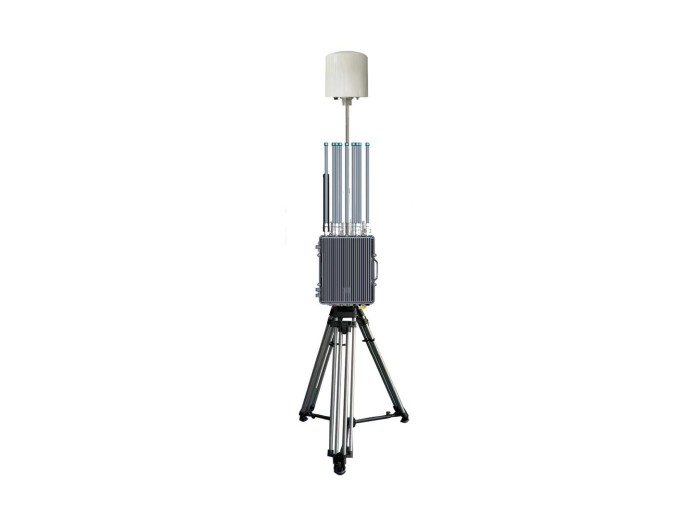
A vehicle-mounted unmanned aerial vehicle jamming system is a mobile electronic countermeasure designed to disrupt the control signals and navigation of unauthorized drones. Unlike static jammers fixed at specific locations such as airports or stadiums, these systems provide flexibility and coverage over moving vehicles—vital for protecting convoys, patrol vehicles, and tactical units.
These jammers work primarily by emitting targeted radio frequency (RF) signals that interfere with drones' command-and-control (C2) links, GPS signals, or other communication channels. When a drone’s communication is severed or hijacked, it is either forced to land safely or return to its origin point. Modern vehicle-based jammers often incorporate multi-band RF technology to address various popular drone frequencies.
For example, security forces deployed in high-risk zones can patrol without geographic limitations, dynamically responding to drone threats in real time. According to a 2023 industry report, over 65% of mobile counter-UAV deployments now favor vehicle-mounted solutions due to their operational flexibility and rapid deployment capability. This makes them essential for environments requiring quick-action drone mitigation.
2. Key Benefits of Using UAV Jammer Systems on Vehicles
Vehicle-mounted UAV jammers deliver multiple benefits beyond just drone disruption:
- Mobility and Rapid Response: Unlike fixed installations, a vehicle jammer travels wherever protection is needed, enabling immediate threat neutralization during operations.
- Wide Coverage Area: Elevated antenna platforms can extend jamming signals to several hundred meters, creating a secure perimeter around moving vehicles.
- Multi-Target Capability: Many modern jammers can detect and disrupt multiple drone targets simultaneously, enhancing safety where swarms or nests are involved.
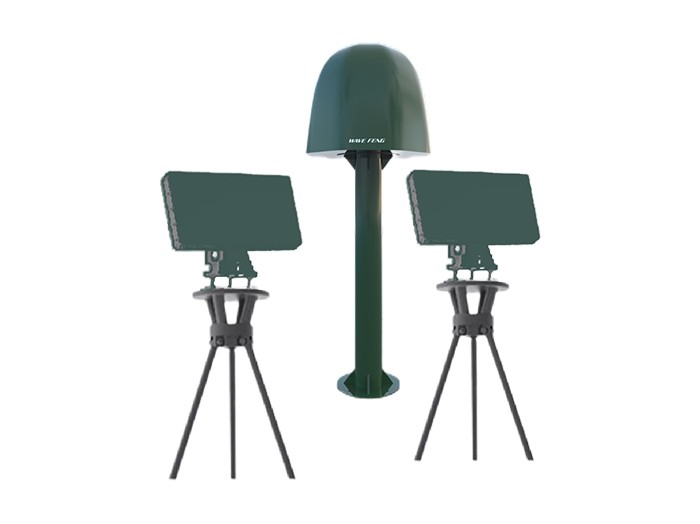
- Integration with Detection Systems: When combined with radar and RF detection sensors mounted on vehicles, operators gain situational awareness and automated threat mitigation.
- Improved Safety and Compliance: Using a mobile UAV jammer reduces the risk of drone-related accidents, unauthorized recordings, or attacks on personnel and assets, crucial for regulatory adherence and public safety.
In practice, these benefits have helped border security agencies reduce drone breaches by 40% since adopting mobile jamming technology, according to recent government case studies. This marks a significant improvement in operational security and public confidence.
3. Practical Applications of Vehicle-Based UAV Jammer Systems
Vehicle-mounted UAV jammer systems find applications across numerous sectors facing drone-related challenges:
- Law Enforcement and Public Safety: Patrol cars equipped with UAV jammers prevent drones from interfering with emergency scenes, riots, or crowd monitoring, ensuring effective control and privacy.
- Military and Defense: Tactical vehicles use these systems to guard convoys and critical missions against potential spying or explosive delivery drones in hostile territories.
- Critical Infrastructure Protection: Vehicles patrolling power plants, oil pipelines, and airports utilize jammers to prevent drones surveilling or attacking sensitive sites on the move.
- VIP and High-Value Asset Transport: Secure convoy vehicles deploy jammer systems to secure transport routes and movement against aerial espionage or threats.
- Event and Crowd Management: Mobile UAV jamming ensures the safety of outdoor gatherings by actively disrupting unauthorized drones approaching from any direction.
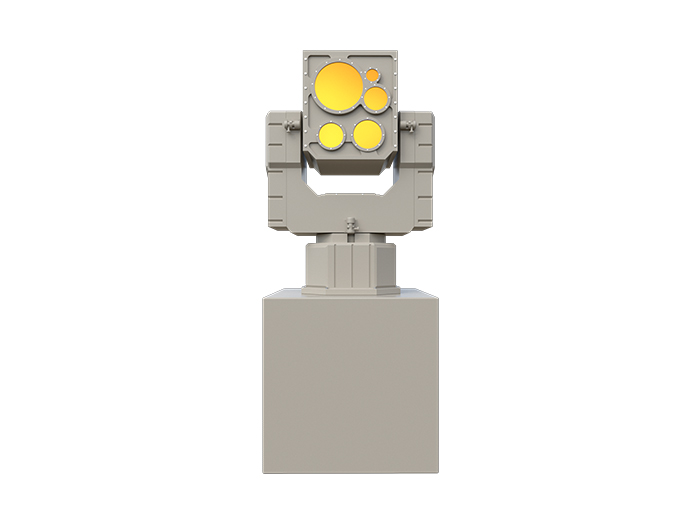
For instance, in a recent international sports event, mobile UAV jammers mounted on security vehicles successfully disrupted over 20 unauthorized drones, preventing potential safety disruptions. This demonstrates their critical role in real-world, dynamic environments.
4. Emerging Trends and Technology Innovations in Vehicle UAV Jammer Systems
The unmanned aerial vehicle jammer industry is advancing with new innovations tailored for vehicle integration:
- AI-Enhanced Detection and Jamming: Artificial intelligence algorithms help identify and classify drones faster, adapting jamming strategies to neutralize diverse models effectively.
- Compact and Lightweight Designs: Advances in miniaturization allow easier installation on various vehicle types without compromising performance or fuel efficiency.
- Legal and Ethical Compliance Modules: Emerging systems include selective jamming that targets only rogue drones, reducing interference with authorized UAVs and minimizing regulatory risks.
- Networked Multi-Vehicle Coordination: Multiple vehicles equipped with jammers can coordinate their efforts via secure communication links for broader and more effective drone defense coverage.
- Integration with IoT and Smart City Frameworks: These systems are increasingly designed to operate within broader smart city security ecosystems, sharing data for comprehensive drone threat management.
Industry analysts predict that by 2027, over 75% of mobile UAV countermeasure systems will feature AI-driven jamming and networked support, heralding a new era of autonomous and adaptive drone protection on the move.
Recommendations: Optimizing Your Vehicle-Based UAV Jammer Deployment
- Assess Your Operational Needs: Determine your threat level, vehicle types, and environment to choose the right jammer specifications—contact our experts for customized solutions.
- Integrate Detection and Jamming: Combine RF and radar detection technologies with your jammer for real-time drone identification and efficient countermeasures.
- Train Personnel Thoroughly: Effective use of vehicle-mounted jammers requires skilled operators who understand legal boundaries and tactical deployment.
- Stay Updated on Regulations: Ensure your jamming activities comply with local and international laws to avoid operational and legal complications.
- Plan for Maintenance and Upgrades: Regular system maintenance and software updates keep your vehicle UAV jammer effective against evolving drone technologies.
Conclusion
Vehicle-mounted unmanned aerial vehicle jammer systems represent a cutting-edge solution to the growing problem of unauthorized drone activity threatening mobile operations and sensitive assets. With their mobility, versatility, and advanced jamming capabilities, these systems offer critical protection to law enforcement, military, and commercial fleets. As drone technology continues to evolve, investing in these sophisticated countermeasures is essential to safeguard your vehicles, personnel, and public safety.
Ready to enhance your mobile security with our state-of-the-art vehicle UAV jammer solutions? Contact us today for a free consultation or visit our website to explore our full range of mobile drone jammer systems. Protect your fleet the smart way—stay one step ahead of the drone threat!