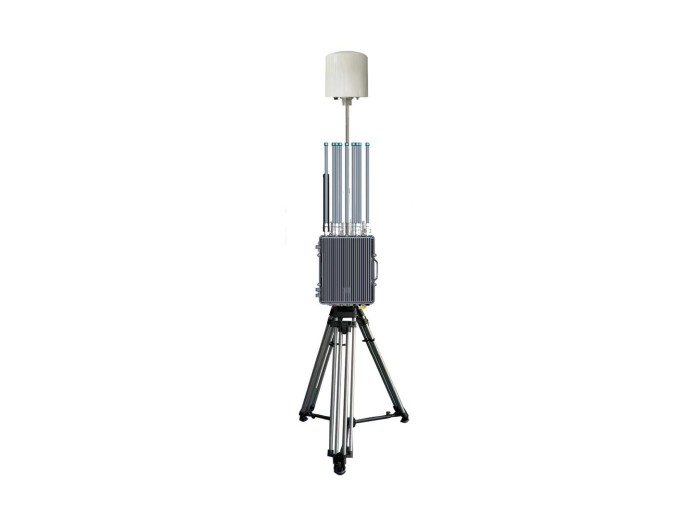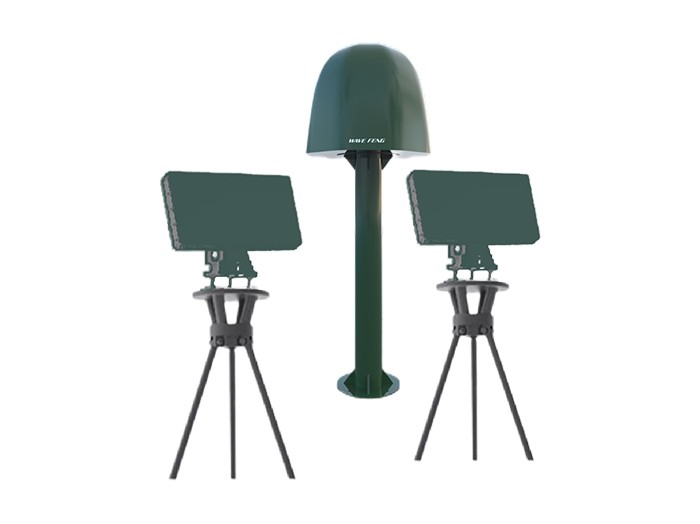
Unmanned Aerial Vehicle Detection Equipment: The Future of 4x4 Technology
The rapid proliferation of unmanned aerial vehicles (UAVs) in various sectors, ranging from agriculture to surveillance, has raised significant concerns regarding safety and security. As UAVs become more accessible and versatile, malicious use increases, prompting the need for effective detection systems that can seamlessly integrate with existing technology. The trend towards enhancing unmanned aerial vehicle detection equipment, especially for 4x4 applications, has emerged as a critical solution. This article explores the current landscape of UAV detection technology, its benefits, uses, and recommendations for effectively implementing these systems.
The Necessity of UAV Detection Equipment
As drone technology continues to evolve and proliferate, the number of incidents involving unauthorized drone entries into restricted airspaces has risen dramatically. A study by the Federal Aviation Administration (FAA) highlighted that over 100,000 drones were reported near airports in the United States in the past year alone. These alarming statistics demonstrate the pressing need for efficient UAV detection equipment, particularly in environments that utilize 4x4 vehicles for mobility. The integration of detection systems into these all-terrain vehicles ensures versatility and readiness in various operational contexts, whether in military, border patrol, or security-focused applications.
One of the most common user problems faced today is the lack of situational awareness regarding aerial threats. Many organizations depend on outdated methods or fail to incorporate robust detection systems altogether. By investing in unmanned aerial vehicle detection equipment designed for 4x4 applications, organizations can liquidate these challenges. Equipped with sophisticated sensors and tracking capabilities, modern devices can detect and neutralize threats posed by unauthorized drones before they cause harm to people or property, exemplifying a critical shift in how organizations approach aerial security.
Benefits of Integrated UAV Detection Systems in 4x4s
Effective integration of unmanned aerial vehicle detection equipment into 4x4 vehicles presents numerous benefits that bolster security and operational efficiency. Below are some essential advantages:
- Versatility: As 4x4 vehicles can traverse diverse terrains, the UAV detection systems installed on them can cover larger areas effectively, increasing the likelihood of identifying hostile drones.
- Real-time Surveillance: Equipped with advanced radar and thermal imaging, UAV detection systems can track aerial threats in real time, ensuring timely response capabilities for on-ground personnel.
- Increased Safety: By employing these systems, organizations can ensure safer operational environments, protecting personnel and assets from potential drone-related threats.
- Data-Driven Decisions: Modern UAV detection systems provide analytics that enable better strategic planning and resource allocation based on identified threats over time.
- Remote Operation: Many detection systems come with remote sensing capabilities, allowing operators to monitor airspace without being physically present in potential danger zones.
As security needs grow, the integration of unmanned aerial vehicle detection equipment into 4x4 vehicles is no longer just an option but a necessity to ensure comprehensive operational safety.
Applications of UAV Detection Technology
The applications of UAV detection technology are vast, underscoring the versatility and growing demand for these systems across various industries. Some notable applications include:
- Military and Defense: In combat scenarios, 4x4 vehicles equipped with UAV detection can assure operational superiority by identifying and mitigating threats from enemy drones.
- Public Safety: Emergency responders utilize UAV detection systems to assess the scene from above, ensuring that no unauthorized drones obstruct operations.
- Border Security: In sensitive border areas, 4x4 vehicles with UAV detection technology can patrol and identify unauthorized drone crossings, enhancing national security.
- Critical Infrastructure Protection: Facilities such as power plants and government buildings are leveraging UAV detection systems to monitor and safeguard against drone intrusions.
- Agriculture: Farmers are applying UAV technology not only for crop monitoring but also to safeguard their lands against potential aerial surveillance of activities.
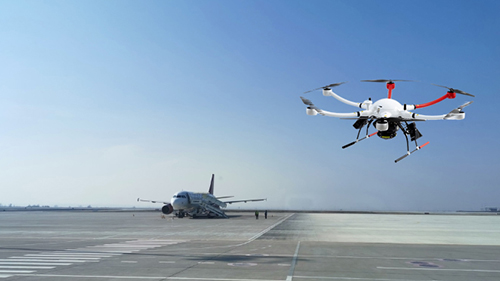
Overall, incorporating UAV detection systems into 4x4 technology addresses diverse needs, ensuring that security measures remain robust against evolving threats.
Key Recommendations for Implementation
For organizations looking to implement unmanned aerial vehicle detection equipment in 4x4 vehicles, here are some practical steps to consider:
- Conduct a Needs Assessment: Understand the specific threats and operational environments your organization faces to select the most appropriate UAV detection technology.
- Partner with Experts: Collaborate with reputable providers of UAV detection equipment to ensure seamless integration with existing 4x4 systems.
- Invest in Training: Ensure that personnel operating the detection systems are adequately trained to maximize effectiveness and response strategies.
- Integrate with Other Security Systems: Foster interoperability with existing military or law enforcement systems to enhance overall security measures.
- Regular Maintenance and Updates: Regularly maintain and update the UAV detection systems to keep pace with technological advancements and emerging aerial threats.
Conclusion
The incorporation of unmanned aerial vehicle detection equipment into 4x4 technology represents a strategic move towards addressing evolving aerial security needs. As the demand for effective surveillance and safety increases across various industries, ensuring that operations remain secure through modern detection capabilities is paramount. To explore more about enhancing your UAV detection systems, visit our website now or contact us for a free consultation and take the first step towards securing your aerial operations.