UAV Interceptor 3M: Shaping the Future of Drone Defense
As the number of unmanned aerial vehicles (UAVs) has grown exponentially, the challenge of securing airspace from potential threats has become increasingly prominent. Organizations, military agencies, and even private firms are often faced with scenarios where rogue drones could cause disruption or danger. This is where UAV interceptors like the 3M model play a pivotal role in ensuring safety and security. Understanding how UAV interceptors work and the advancements surrounding models like 3M can significantly enhance your defense strategy.
Understanding UAV Interceptors
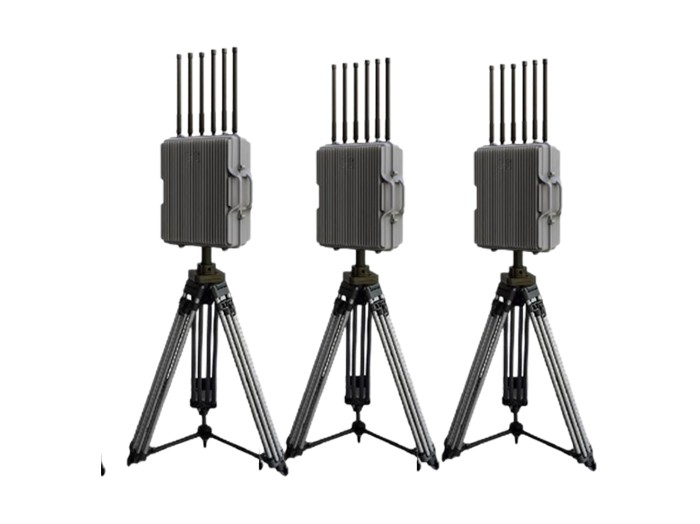
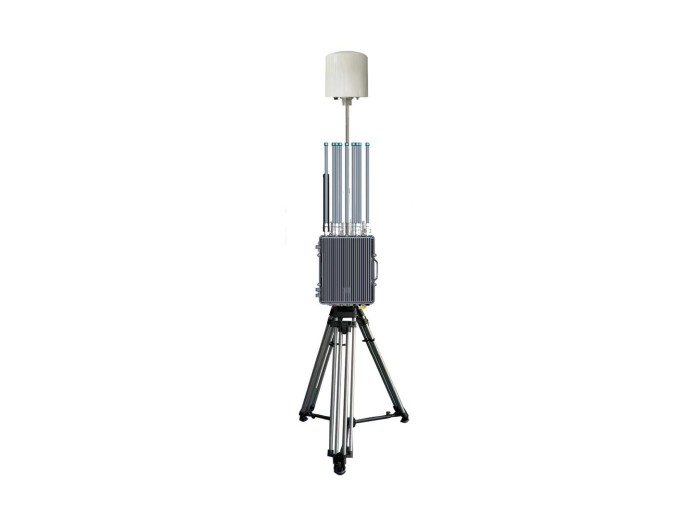
UAV interceptors have emerged as a critical component in modern air security strategies. They are specially designed systems that can detect, identify, and neutralize unauthorized or potentially hostile drones in airspace. The 3M model is particularly noteworthy due to its advanced technology and efficient operational capabilities.
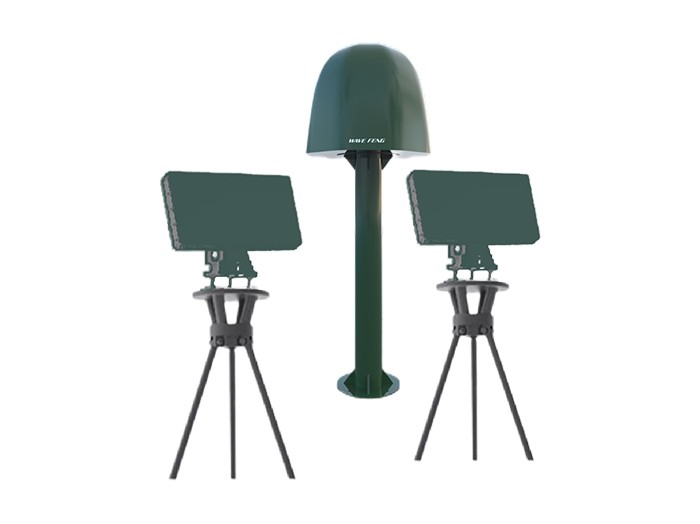
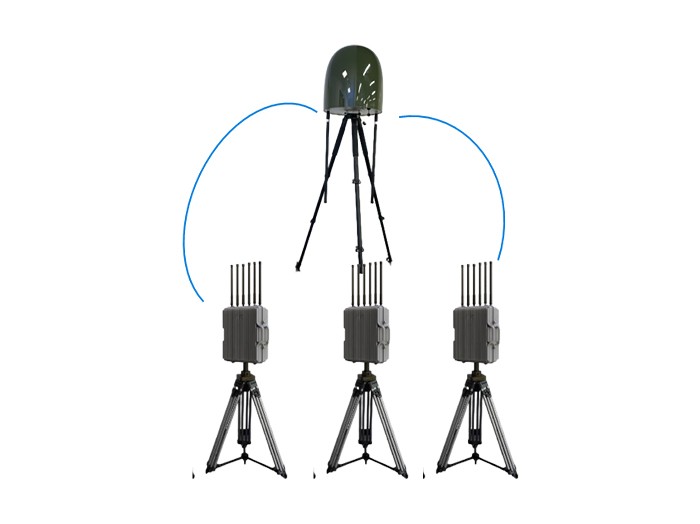
The 3M UAV interceptor utilizes a combination of radar systems, electro-optical sensors, and sophisticated artificial intelligence algorithms to track and intercept drones effectively. According to a recent industry report, the global market for UAV interceptors is projected to reach $4.5 billion by 2025, underscoring the growing need for advanced drone defense systems like the 3M.
This growth is primarily attributed to the increasing use of drones for nefarious activities, including surveillance, smuggling, and even potential terrorist threats. As organizations look to safeguard their airspace, the demand for effective UAV interceptors, such as the 3M, continues to rise.
Benefits of Using the 3M UAV Interceptor
The 3M UAV interceptor stands out in the market due to its unique features that provide a significant edge in drone detection and counteraction. Here are some of the primary benefits:
- High Responsiveness: The 3M model features rapid-response capabilities, allowing for prompt action against incoming threats. This is crucial in situations where close proximity drones pose immediate risks.
- Advanced Target Recognition: With its AI-driven analytics, the 3M can distinguish between friendly and hostile UAVs, minimizing the risk of false positives and unnecessary interventions.
- Versatility: This interceptor is adaptable to various environments, whether urban or rural, making it suitable for a wide array of applications, from military bases to public events.
- Integration Capabilities: The 3M model can easily integrate with existing security infrastructure, enhancing the overall efficacy of airspace protection systems.
In fact, a leading defense analysis firm reported that systems like the 3M have increased interception rates by over 30% compared to previous models, showcasing its efficiency and reliability.
Applications of the 3M UAV Interceptor
The versatility of the 3M UAV interceptor enables its application across multiple sectors, offering tailored solutions for various security challenges. Some prominent applications include:
- Military Use: Armed forces worldwide are employing UAV interceptors to secure military installations and assets from surveillance or intrusion attempts by hostile drones.
- Public Safety: Law enforcement agencies can utilize the 3M model for crowd control during large events, ensuring unauthorized drones do not compromise public safety.
- Commercial Security: Businesses in sensitive industries, such as airports and energy sectors, are deploying the 3M UAV interceptor to secure their operational areas from potential drone threats.
The adaptability and efficiency of the 3M UAV interceptor make it an essential tool in a world where drone technology continues to evolve. As more organizations integrate these systems, we can expect an overall enhancement in airspace security and safety.
Market Trends and Future Directions
As the drone threat landscape evolves, so too does the technology surrounding UAV interceptors. The 3M model is at the forefront of innovation in this regard. Recent trends indicate a shift towards incorporating machine learning and big data analytics into interceptor systems to anticipate drone behavior better.
Furthermore, the increasing regulatory scrutiny on drone operations is pushing the market towards solutions that offer compliance with safety standards. For instance, government regulations are focusing on ensuring the safe integration of UAVs in shared airspace, necessitating the need for effective interception systems. A report by the International Drone Association noted that 61% of drone operators are already concerned about the legal ramifications of drone usage, opening avenues for interceptors like the 3M.
With these trends influencing the future of UAV interceptors, investing in technology like the 3M can prepare organizations for upcoming challenges and ensure the safety and security of their airspace.
Recommendations and Key Takeaways
- Assess Your Needs: Evaluate your organization’s vulnerability to drone threats and consider how the 3M UAV interceptor can best address these needs.
- Stay Updated: Keep abreast of latest technological advancements in drone defense systems to leverage the most effective solutions available.
- Integration Consideration: Ensure any new technology can be seamlessly integrated into your existing security framework for maximum efficacy.
- Professional Consultation: Engage with experts in UAV countermeasures to develop a comprehensive air defense strategy.
- Explore Further: For more details on UAV interceptors and the capabilities of the 3M model, visit our website or contact us directly.
Conclusion
As the drone landscape continues to shift, the significance of robust UAV interceptors like the 3M cannot be overstated. Understanding its innovative capabilities and applications is vital for organizations looking to secure their airspace efficiently. By considering the insights shared in this article, businesses can strengthen their defenses against potential drone threats. For more information, visit our website now or contact us for a free consultation.