Net Device for Drones 6GHz: Enhance Your Drone Connectivity with Next-Gen Technology
In today’s drone industry, one of the biggest challenges operators face is ensuring stable, high-speed communication between drones and control stations — especially in crowded frequency bands. With the rapid growth of drone applications such as aerial photography, agriculture monitoring, and industrial inspections, connectivity issues such as signal interference, lag, or limited range in 2.4GHz or 5GHz bands have become common pain points. Fortunately, the recent release of the 6GHz spectrum opens new possibilities. Net devices designed for drones operating on the 6GHz band provide enhanced data transmission speeds, reduced interference, and improved stability for drone networks. Whether you’re a hobbyist seeking better control or a professional deploying drone fleets, understanding how to leverage 6GHz net devices is essential. This guide will walk you through the key benefits, applications, and tips for integrating 6GHz net devices into your drone system to optimize performance and reliability.
Understanding the 6GHz Band and Net Devices for Drones
The 6GHz band is a newly available wireless spectrum from 5.925GHz to 7.125GHz, providing up to 1,200 MHz of additional bandwidth. Unlike the traditional 2.4GHz and 5GHz Wi-Fi bands, the 6GHz band offers wider channels and less congestion, which significantly reduces interference and allows higher data rates. This makes it ideal for drone communication, where seamless real-time data exchange is critical.
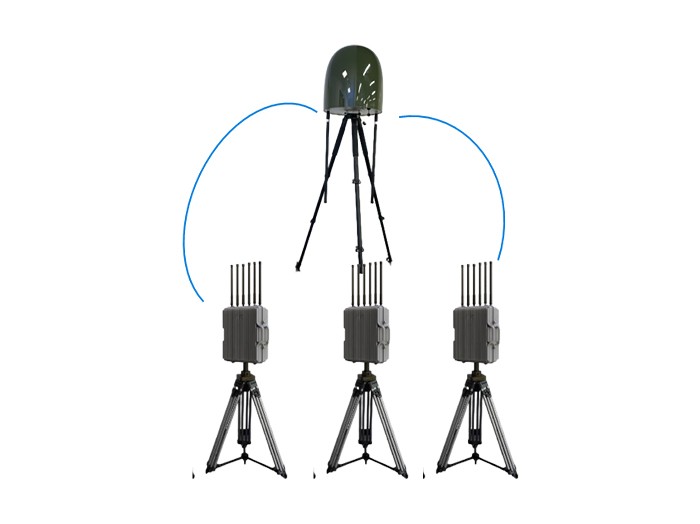
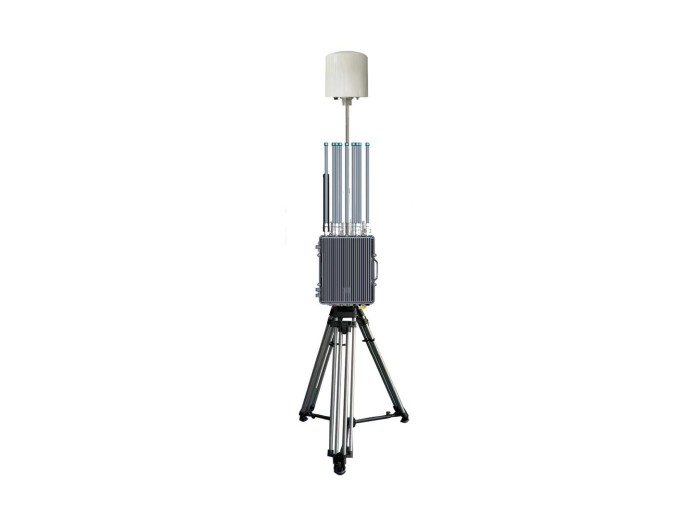
Net devices for drones operating in the 6GHz spectrum include specialized transceivers and routers that support Wi-Fi 6E or other 6GHz-enabled protocols. These devices enable drones to communicate with ground stations or other drones via a dedicated, fast, and reliable network connection. According to a recent industry report, drones using 6GHz networks can achieve up to 40% lower latency and 30% greater range compared to 5GHz setups, which is a game-changer for applications requiring real-time responsiveness.
This new spectrum is particularly beneficial for professionals working in environments where the traditional bands are saturated, such as urban areas or industrial sites. Utilizing 6GHz net devices helps bypass interference from other devices like Wi-Fi routers, Bluetooth gadgets, or even neighboring drone systems.
Benefits of Using 6GHz Net Devices for Drone Connectivity
Integrating 6GHz net devices into your drone systems delivers multiple advantages that improve operational efficiency and data handling capabilities. Here are some of the key benefits:
- Higher Data Throughput: The 6GHz band supports wider channels up to 160 MHz, facilitating data transfer rates exceeding 1 Gbps. This allows for higher quality live video streaming, faster file transfers, and reduced buffering during drone operations.
- Reduced Interference: Since 6GHz is a newly allocated band with fewer existing devices, drones operating in this band experience minimal signal overlap, which enhances connection stability even in complex radio environments.
- Lower Latency: Real-time control commands and telemetry data are transmitted with minimal delay, crucial for precision flight maneuvering and mission-critical drone tasks.
- Improved Range: 6GHz signals maintain stronger integrity over longer distances compared to 5GHz in some scenarios due to less overcrowding and interference, aiding extended drone missions.
For example, agricultural drones performing crop monitoring or spraying benefit from these enhancements by enabling real-time data analytics and immediate command updates, improving overall farm productivity by up to 20%, as reported in recent case studies.
How to Select and Deploy a 6GHz Net Device for Your Drone
Choosing the right 6GHz net device for your drone involves several considerations to ensure compatibility, performance, and regulatory compliance:
- Check Frequency Band Support: Ensure that the drone’s communication system or controller supports the 6GHz Wi-Fi 6E standard or other relevant protocols for the 6GHz band.
- Device Power and Range: Select net devices with sufficient transmission power to cover your operation range. Professional-grade 6GHz net devices often have adjustable power settings and integrated antennas to optimize signal reach.
- Regulatory Compliance: Verify your country’s regulations for 6GHz usage for drone communication to avoid interference with critical systems and ensure legal operations.
- Integration Capability: Consider devices supporting mesh networking or multi-drone communication if deploying drone swarms or fleet operations.
- Interference Mitigation Features: Advanced net devices include automatic channel selection and frequency agility to keep connections stable in dynamic environments.

Deployment often involves firmware updates, hardware installation, and testing to optimize link quality. Many drone professionals report an initial learning curve but substantial gains in connectivity once the 6GHz net device is properly integrated.
Emerging Trends and Future Outlook in 6GHz Drone Networking
With more countries opening up the 6GHz spectrum for unlicensed use, the drone industry is set to experience widespread adoption of 6GHz net devices. Innovations such as Wi-Fi 7 compatibility in the near future will push these capabilities even further, providing multi-gigabit speeds and ultra-low latency.
Additionally, the rise of autonomous drone delivery, infrastructure inspection, and coordinated drone fleets brings a growing demand for reliable high-speed nets. Industry analysts estimate that by 2026, over 50% of commercial drones will operate on 6GHz or higher frequency bands to meet these connectivity demands.
Manufacturers are also increasingly embedding AI-driven network management in net devices to optimize frequency use and interference avoidance dynamically, ensuring uninterrupted operations in complex environments.
Key Recommendations for Drone Operators Using 6GHz Net Devices
- Assess your operational environment and drone use-case to determine if 6GHz connectivity can solve existing network challenges effectively.
- Select net devices that fully support the latest 6GHz standards like Wi-Fi 6E, ensuring future-proof communication systems.
- Plan and conduct thorough range and interference testing before deploying drones in mission-critical applications.
- Keep device firmware up-to-date and monitor network performance metrics regularly for optimal results.
- Contact professional consultants or visit our website to explore tailored 6GHz networking solutions designed specifically for drone applications.
Conclusion: Empower Your Drone Connectivity with Advanced 6GHz Net Devices
The introduction of 6GHz net devices marks a pivotal advancement in drone communication technology, offering unprecedented speed, stability, and range. By leveraging these next-generation solutions, drone operators can overcome long-standing connectivity issues, improve mission reliability, and unlock new operational potentials.
With our expertise in cutting-edge drone network devices, we are committed to helping you seamlessly integrate 6GHz technology into your systems and soar beyond connectivity limits. Visit our website now or contact us for a free consultation to discover how our tailored 6GHz net device solutions can transform your drone operations. Want to learn more? Explore our detailed resources and expert support anytime!