Counter Drone Shells DIY: Innovative Solutions for Drone Management
The rapid proliferation of drones has created a host of challenges, from privacy invasions to safety hazards. Many individuals and organizations are faced with the dilemma of unwanted drone interference. For instance, imagine a quiet park where families are spending time together, suddenly disrupted by low-flying drones capturing photos or videos without consent. This scenario underscores the need for effective counter-drone solutions. The industry trend is shifting towards DIY counter-drone shells that empower users to create their systems tailored to personal or commercial requirements. These accessible solutions not only enhance operational control but also contribute to a more secure environment. In this article, we'll examine the key trends surrounding DIY counter-drone shells, their benefits, applications, and practical steps for implementation.
Understanding Counter Drone Shells: What They Are and How They Work
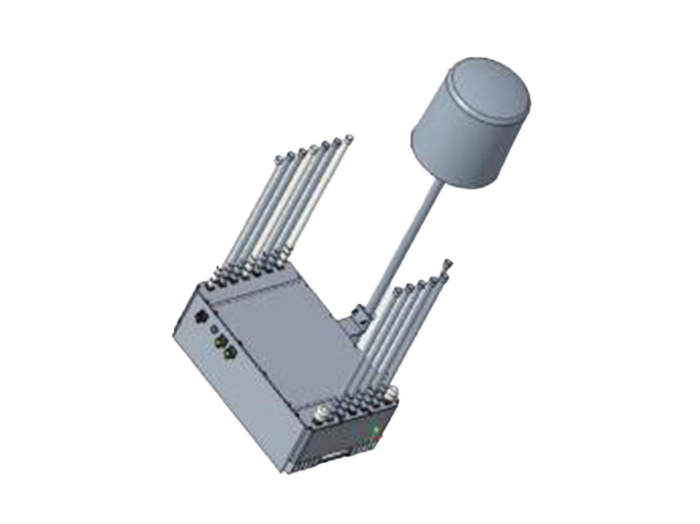
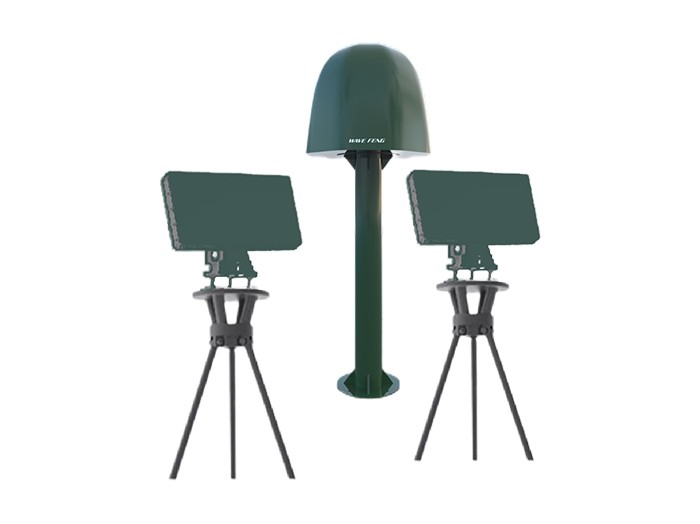
Counter-drone shells are protective casings or systems designed to detect, identify, and neutralize unauthorized drones operating in sensitive areas. These shells can vary in design, from simple physical barriers to advanced electronic systems that jam communication signals between the drone and its operator. As the demand for drone surveillance continues, the counter-drone market is expected to grow significantly, with forecasts indicating that the global market for anti-drone technology could exceed USD 4 billion by 2025.
The primary function of counter-drone shells is to mitigate the risk associated with drone intrusions. DIY enthusiasts have begun creating their versions, which can be more cost-effective and adaptable to specific needs. For instance, a notable scenario occurred when a local sports facility constructed a DIY counter-drone shell using off-the-shelf materials, resulting in reduced drone interference during games and events. This not only enhanced the experience for attendees but also provided a sense of security for the players.
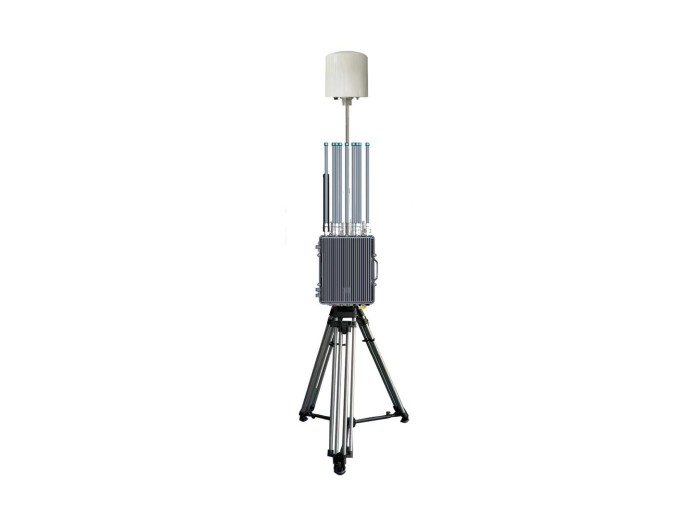
From an operational perspective, various technologies can be integrated into DIY counter drone shells—sound emitters, signal jamming devices, and even nets to physically catch drones. This adaptability allows users to customize their setup based on the surrounding environment and their specific vulnerabilities. Furthermore, as drones become more sophisticated, the versatility of DIY systems provides users with more tactical options against various drone types.
Benefits of DIY Counter Drone Solutions
Implementing a DIY counter drone shell comes with multiple advantages. Here’s an in-depth look at these benefits:
- Cost-Effectiveness: Compared to commercial counter-drone systems that can carry hefty price tags, DIY options are often more affordable. Users can build their shells using inexpensive materials, allowing substantial savings.
- Customization: Each environment, whether it’s a residential area or an industrial site, has unique needs. DIY counter-drone shells can be tailored to specific risks, allowing for a personalized security solution.
- Self-Sufficiency: By creating their counter-drone systems, users gain autonomy over their security measures. This empowerment fosters a proactive approach towards public safety, rather than relying solely on third-party solutions.
- Innovation and Learning: The DIY approach encourages innovation and technical skills development. Users can experiment with various components, learn about the underlying technologies, and develop solutions that might not yet be available commercially.
- Community Support: The growing trend of DIY counter-drone systems has led to the creation of online communities where users share successful strategies and designs, fostering collaboration and knowledge transfer.
A 2022 industry report indicated that over 70% of drone operators are considering the implementation of counter-drone measures due to rising concerns about security. This insight underscores the potential market for DIY counter-drone technologies, emphasizing their relevance and urgency in the current landscape.
Applications of Counter Drone Shells in Various Industries
Counter-drone shells can be applied across a range of industries. Here are several prominent use cases:
- Agriculture: Farmers are increasingly concerned about drone surveillance from competitors or general public interests. DIY counter-drone shells enable farmers to shield their fields from unwanted observation, protecting their proprietary methods and ensuring privacy.
- Security Organizations: Government facilities, prisons, and public events serve as high-stakes environments. These entities can deploy DIY systems for added security against potential drone threats, ensuring safety during sensitive operations.
- Film and Photography: Filmmakers often face challenges from airborne drones encroaching on filming locations. Implementing counter-drone shells can minimize disruptions and protect creative work from unauthorized captures.
- Private Residences: Homeowners can create DIY solutions for residential security, deterring unsolicited drone activity that may invade privacy or pose harm to household members.
- Public Parks and Recreation Areas: Ensuring the safety and enjoyment of public spaces is vital. Implementing counter-drone shells here can provide an unobtrusive yet effective means to control drone activities.
With concerted efforts towards social responsibility in drone usage, both DIY solutions and industry-wide regulations are increasingly prioritized. It is important for users to remain educated about the legal ramifications of their counter-drone systems, ensuring compliance while utilizing such technologies.
Steps to Create Your Own DIY Counter Drone Shell
Creating a DIY counter-drone shell can be a rewarding project. Here’s a simplified step-by-step guide to get you started:
- Research and Design: Begin by researching existing designs and understanding local regulations concerning drone deterrents. Map out a plan incorporating materials, dimensions, and intended functionality.
- Gather Materials: Collect the necessary components. Items like PVC pipes, nets, signal jammers, and sound emitters can be effective in creating a robust counter-drone system.
- Build the Structure: Assemble your shell according to your design. Ensure stability and test the physical components for durability under various environmental conditions.
- Integrate Technology: If your design includes electronic components, ensure they are correctly installed. Testing should confirm that sensory equipment and deterrents, like jammers, function as intended.
- Test and Iterate: Conduct testing in a controlled environment and refine your setup based on performance and ease of use. Iterating your design is essential to optimizing its effectiveness.
Throughout this process, community forums and online resources can serve as valuable references for insights and troubleshooting.
Key Takeaways
- Evaluate your specific security needs before implementing a DIY counter-drone shell.
- Educate yourself on local drone regulations to ensure compliance when deploying counter-drone solutions.
- Utilize community resources and forums for support, advice, and enhancements to your DIY system.
- Regularly test and update your DIY counter-drone shells to adapt to evolving drone technologies.
- For tailored guidance and advanced solutions, consider contacting professionals in drone management.
Conclusion
The increasing presence of drones poses significant privacy and security challenges across various domains. DIY counter-drone shells present innovative, customizable solutions for both individuals and organizations looking to safeguard their environments. As technology continues to evolve, these tailored systems provide an empowered approach to drone management. Enhance your knowledge and skills by visiting our website for further resources or contact us for a consultation on how we can help secure your spaces effectively. Explore more insights into drone solutions and empower your security today!
This HTML document includes a comprehensive analysis of DIY counter-drone shells, focusing on user scenarios, industry trends, and practical implementation steps while maintaining a clear structure and SEO optimization.