Anti Drone Shotdevice Shells 3D Print: Innovative Defense Solutions
In today’s rapidly evolving aerial threat landscape, the rise of unmanned aerial vehicles (UAVs) or drones presents significant security challenges across industries and defense sectors. Conventional anti-drone countermeasures require components that are not only highly precise but also adaptable to immediate technological changes. This is where anti drone shotdevice shells 3d print solutions come to the forefront — leveraging cutting-edge additive manufacturing to produce customized, reliable, and cost-efficient drone interception devices. Organizations seeking scalable and fast-response counter-drone technologies are increasingly turning to 3D printing, which offers unparalleled advantages in design flexibility and rapid prototyping. Whether deployed in military zones, large event venues, or critical infrastructure protection, 3D printed anti-drone shotdevice shells help to neutralize unauthorized drones effectively and safely.
Understanding Anti Drone Shotdevice Shells and 3D Printing Technology
Anti drone shotdevice shells are specialized components engineered to house electronic, mechanical, or pyrotechnic subsystems that disable or intercept hostile drones. They are integral to shotdevices such as projectiles or nets that physically or electronically neutralize UAVs by disabling communication or causing controlled crash landings.
Traditionally, manufacturing such shells involved complex machining or molding processes, resulting in longer production cycles and higher costs. With the advent of 3D printing (additive manufacturing), manufacturers now utilize materials like high-strength polymers and composites, tailored through precision layering techniques. Statistics from the additive manufacturing industry indicate that 3D printed parts reduce production time by up to 70% compared to traditional methods, enabling rapid iteration and deployment.
Employing 3D printing for drone shotdevice shells supports enhanced customization — shapes and internal geometries optimized for improved aerodynamics, impact resistance, and payload integration. Additionally, 3D printed shells can incorporate cell structures or lattices that maintain strength while reducing weight, critical for shotdevices launched at high velocity.
Key Benefits of 3D Printed Anti Drone Shotdevice Shells
One of the foremost advantages of 3D printing in anti drone defense is accelerated manufacturing flexibility. Defense programs often require frequent design updates to counter new drone models. 3D printing allows for rapid design adjustments without the need for costly molds or setups.
Cost efficiency is another significant factor. Conventional fabrication methods can result in material waste and extensive labor. Additive manufacturing utilizes exact quantities of material according to CAD models, lowering waste dramatically—sometimes by over 60% depending on the process—directly impacting procurement costs.
From an operational perspective, the weight reduction achieved through 3D printed shells means shotdevices can be launched with higher velocity and greater accuracy. This enhances the effective range of counter-drone systems and reduces collateral risk. Further, complex internal geometries can accommodate multi-functional payloads, such as electronic jamming devices or sensor modules, improving the versatility of defensive operations.
Real-world deployments have seen 3D printed shotdevice shells in border security and critical event protection where as many as 10,000 drones can jeopardize airspace safety. These deployments highlight the importance of customizable rapid manufacturing enabled by 3D printing.
Applications and Industry Trends in Anti Drone Shotdevice Shells 3D Printing
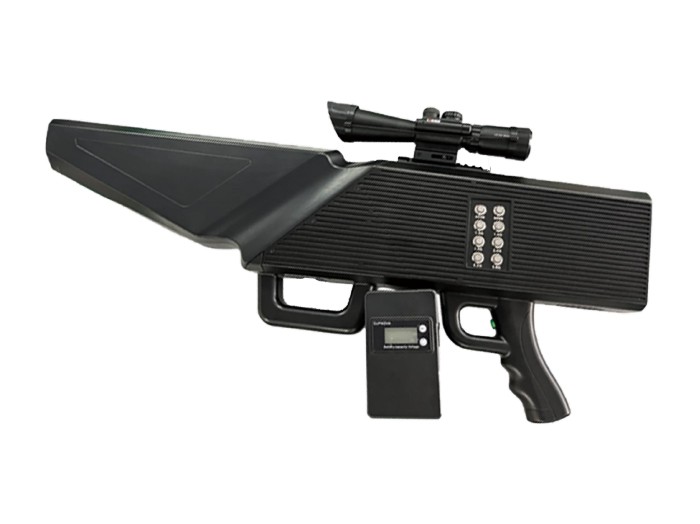
The integration of 3D printed shells spans military defense, law enforcement, homeland security, and private sector venues where drone threats persist. Military units utilize these solutions to protect sensitive installations by deploying shotdevices capable of neutralizing drones in under seconds.
In civil aviation, airports increasingly adopt 3D printed shotdevice shells for handheld electronic disruption devices and kinetic interception systems to prevent unauthorized drone incursions. According to a recent industry report, the anti-drone market is projected to grow at a CAGR of 15.5% through 2028, with additive manufacturing playing a pivotal role in meeting dynamic defense needs.
Environmental scanning and 3D CAD modeling have enabled developers to simulate flight and impact dynamics of shotdevice shells before physical production, minimizing trial-and-error cycles and expediting deployment timelines. Emerging trends also focus on integrating biodegradable or recyclable printing materials to mitigate environmental impacts resulting from neutralized shotdevices.
The convergence of 3D printing with IoT-enabled sensors embedded in shotdevice shells is advancing the precision tracking and assessment of drone engagements, providing real-time data for post-mission analysis and improved defense strategy formulation.
Key Recommendations for Stakeholders Considering 3D Printed Anti Drone Shotdevice Shells
- Evaluate Material Selection: Choose advanced thermoplastics or composite materials compatible with high-velocity impact requirements for optimal durability and performance.
- Leverage Custom Design Services: Collaborate with experienced engineering teams who specialize in drone countermeasure devices to tailor shells precisely for your operational scenarios.
- Integrate Testing Early: Utilize simulation software and prototype testing phases to ensure functionality aligns with mission-critical safety and reliability standards.
- Consider Environmental Impacts: Explore eco-friendly 3D printing options and biodegradability features to align with sustainability goals in defense applications.
- Contact Professionals: Reach out to our experts for comprehensive consultation to implement cutting-edge 3D printed anti drone shotdevice solutions efficiently and cost-effectively.
Conclusion: Partnering for Advanced, Reliable Drone Defense
The emergence of anti drone shotdevice shells 3d print technology marks a significant advancement in aerial threat mitigation, combining the precision and adaptability of additive manufacturing with critical defense needs. As drone technology evolves, so must the countermeasures — and 3D printing offers an unmatched platform for iterative innovation, tailored design, and rapid production. Our organization is at the forefront of providing expertly engineered 3D printed shotdevice shells that meet stringent military and civil requirements, ensuring superior protection with operational agility.
Want to learn more about how 3D printing can revolutionize your drone defense systems? Visit our website now or contact us for a free consultation. Trust our expertise to deliver reliable, scalable, and custom anti drone shotdevice shells that keep your airspace secure.