Understanding No Fly Zones for Drones
As the use of drones continues to surge across various sectors, a pressing concern is the establishment of no fly zones. These areas are designated regions where drone operation is restricted or prohibited, primarily to ensure safety, privacy, and security. With the rapid growth in commercial and recreational drone use—where the FAA reported that over 1.7 million drones were registered in the U.S. by 2023—understanding no fly zones has never been more critical. Organizations and individuals must navigate these rules effectively to avoid fines and ensure compliance with national regulations. This article delves into the intricacies of no fly zones for drones, providing insights into their definitions, benefits, applications, and more.
1. What is a No Fly Zone for Drones?
A no fly zone for drones refers to specific geographical areas where drone flights are restricted or entirely prohibited. These zones exist for various reasons, primarily related to safety, security, and privacy concerns. Common examples include:
- Airport Zones: Areas around airports or flight paths that are sensitive to drone activity due to the risk of collision with manned aircraft.
- Military Installations: Prohibiting drones from flying near military bases or sites to ensure sensitive operations are not compromised.
- Emergency Sites: Regions where emergency services require unimpeded access, such as disaster areas or active crime scenes.
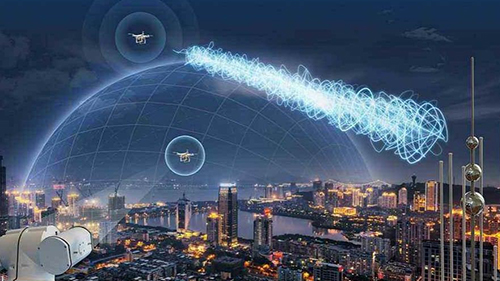
Regulatory bodies like the Federal Aviation Administration (FAA) in the United States, and various international aviation authorities, establish no fly zones to protect both the public and air traffic. As drones become more prevalent, law enforcement agencies are equipping themselves to monitor compliance with these zones, which can include the use of drone detection technology. Consequently, operational awareness of no fly zones is vital for drone operators to avoid penalties or legal complications.
2. Benefits of No Fly Zones
No fly zones play a crucial role in the safe integration of drones into airspace. Here are some key benefits:
- Enhancing Safety: By preventing drones from operating in sensitive areas, no fly zones significantly reduce the risk of accidents involving manned aircraft. According to the FAA, drone-related incidents near airports have been a growing concern, leading to increased regulations.
- Protecting Privacy: Many individuals have valid concerns about privacy intrusion by drones. Establishing no fly zones around sensitive areas, such as residences, schools, and healthcare facilities, helps safeguard personal privacy.
- National Security: No fly zones can be pivotal in maintaining national security, especially around military bases or critical infrastructure. By restricting drone flights, governments can mitigate potential threats.
Each of these benefits highlights why awareness of no fly zones is crucial for drone users. The consequences of ignoring these zones can range from hefty fines to the confiscation of drones. The establishment of these zones underscores the importance of responsible drone operation, which is increasingly emphasized through educational programs and pilot certification.
3. How to Identify No Fly Zones
Identifying no fly zones is essential for drone operators to ensure compliance. Here are three effective methods for identifying these restricted areas:
- Online Resources: Websites such as the FAA's B4UFly app provide live maps of no fly zones. Users can easily input their location to check for restrictions.
- Drone Flight Planning Apps: Many drone manufacturers offer built-in safety features in their applications that automatically highlight no fly zones when planning a flight route.
- Local Regulations: Engaging with local authorities and drone clubs can provide updates on regulations and any temporary no fly zones that may be in effect due to events like festivals or emergencies.
A proactive approach to understanding and identifying no fly zones can greatly enhance operational safety and promote responsible drone use. Special circumstances or temporary restrictions can arise, so it is vital to remain informed about any changes.
4. Applications and Real-World Scenarios
The awareness and enforcement of no fly zones have grown across industries, with several practical applications being evident. For instance:
- Film and Photography: Drones have transformed the film industry, but operators must adhere to no fly zones, especially near sensitive locations. Filmmakers often seek permits to fly drones in restricted regions, highlighting the collaborative nature of drone operation.
- Emergency Services: During disaster relief operations, drones can be used to assess damage and locate survivors. No fly zones ensure that drones do not interfere with manned aircraft during critical operations.
- Commercial Delivery: Companies like Amazon are exploring drone delivery services, requiring robust no fly zone adherence to ensure effective airspace management.
These scenarios illustrate how the establishment of no fly zones promotes operational integrity while allowing technological advancements in drone applications. As the regulatory landscape evolves, so too will the interactions between drone operators and no fly zones, shaping the future of commercial and recreational drone activities.
Key Recommendations
- Always check local regulations and no fly zone maps before operating your drone to ensure compliance.
- Utilize drone flight planning apps that provide real-time updates on no fly zones.
- Stay informed about changes in regulations or temporary restrictions, especially during significant local events.
- Seek training or certification programs to enhance your understanding of drone operation and regulations.
- Engage with local drone communities to share insights and updates about no fly zones and best practices.
Conclusion
Understanding no fly zones for drones is vital in promoting safety, privacy, and security in the ever-evolving landscape of aerial technology. As drone usage continues to spike, ensuring compliance with established no fly zones is essential for all operators. Trust our expertise to guide you through the intricacies of drone regulations, safety standards, and operational best practices. Visit our website now for more resources and professional consultations tailored to your drone needs.